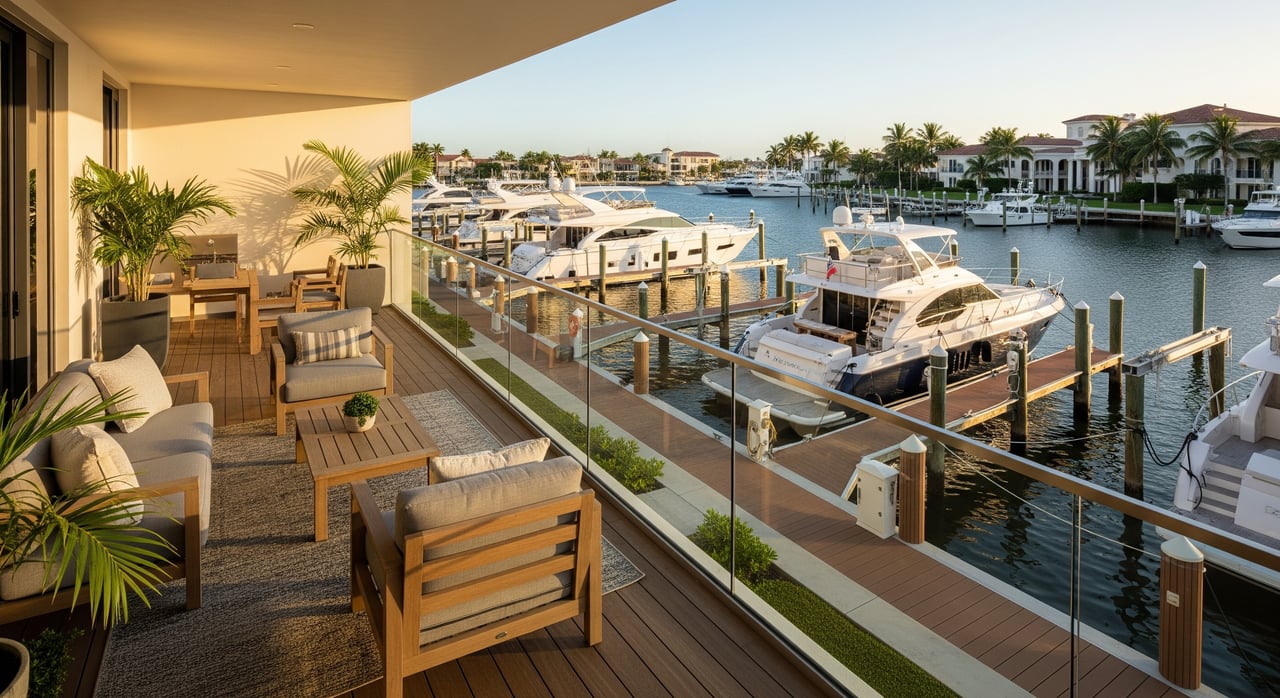
Picture this: you step out of your Park Shore condo, stroll along Venetian Bay, and are underway within minutes. If that sounds like your ideal Naples lifestyle, you are not alone. Slip demand runs hot in season, and the rules vary by building, so a clear plan will save you time and surprises. In this guide, you will learn how boat slips work in Park Shore, which questions to ask, and how to match your boat to the right dock. Let’s dive in.
Park Shore boating basics
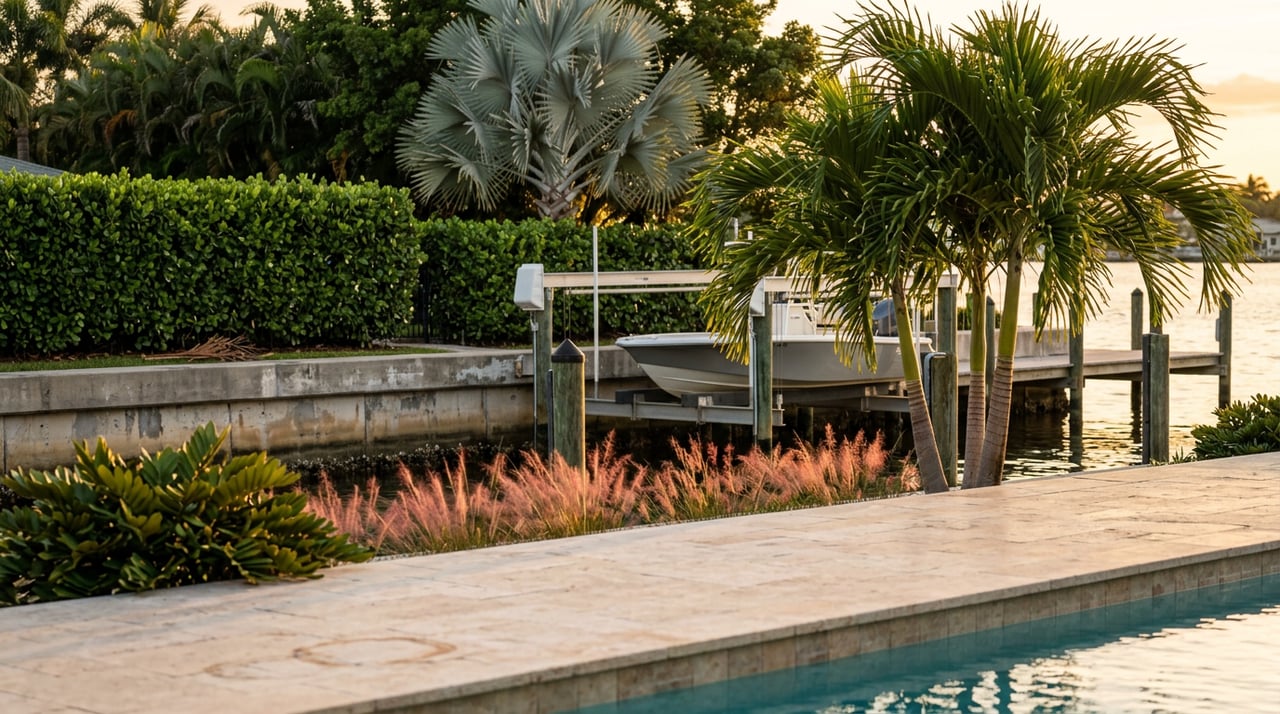
Park Shore sits on Venetian Bay in Naples, a waterfront district with condos, dining, and walkable promenades. Many buildings on or near the bay have docks that connect to local tidal waters, Naples Bay, and then the Gulf of Mexico. Before you cruise from any slip, you should confirm navigational routes, depth profiles, and any fixed bridges on official charts.
Seasonality matters here. Naples is a winter destination, so slip demand and pricing rise from roughly November through April. Seasonal leases can trigger waitlists. If you plan to spend winters in Naples, start your slip search early.
You should also be aware of regulatory touchpoints. Dock use and construction involve local and state oversight, and condominium operations follow Florida’s Condominium Act. When buying, build time into your process to review association documents and any dock-related rules or permits.
Slip ownership models explained
Not every Park Shore building handles slips the same way. Your rights, costs, and flexibility depend on the model in place.
Deeded slips
Some slips are deeded, either as separate parcels or as rights that transfer with the condo. The main benefit is long-term control. You can usually convey the slip with the unit, subject to association rules. Verify whether the deed is absolute or limited, how property taxes apply, and what transfer rules are spelled out in the CC&Rs.
Assigned or reserved slips
In many associations, the docks are common property and slips are assigned to owners. Priority is often based on tenure, lottery, unit criteria, or a waitlist. Ask whether assignments transfer on sale and whether there are fees or re-approval requirements when you buy.
Lease-based slips
Some buildings or nearby marinas lease slips to owners or non-owners on seasonal, monthly, or annual terms. Confirm if leases are renewable or revocable and whether owners receive priority. If you are a seasonal resident, this can be an efficient option, but timing is critical in peak months.
Guest or transient slips
Short-term guest slips may be available for brief use and are usually managed by the HOA or building staff. These are not a substitute for an owned or assigned slip, but they can help with visiting friends or short stays.
Off-site marinas and providers
If a building lacks private docks or a slip that fits your boat, nearby marinas and dry-stack storage can fill the gap. Evaluate driving time versus boat time to open water. A short drive may be worth it if it means proper fit, power service, and depth for your vessel.
How to check availability and fit
Use this step-by-step process to evaluate any Park Shore condo with potential dock access.
Step 1 — Do quick research
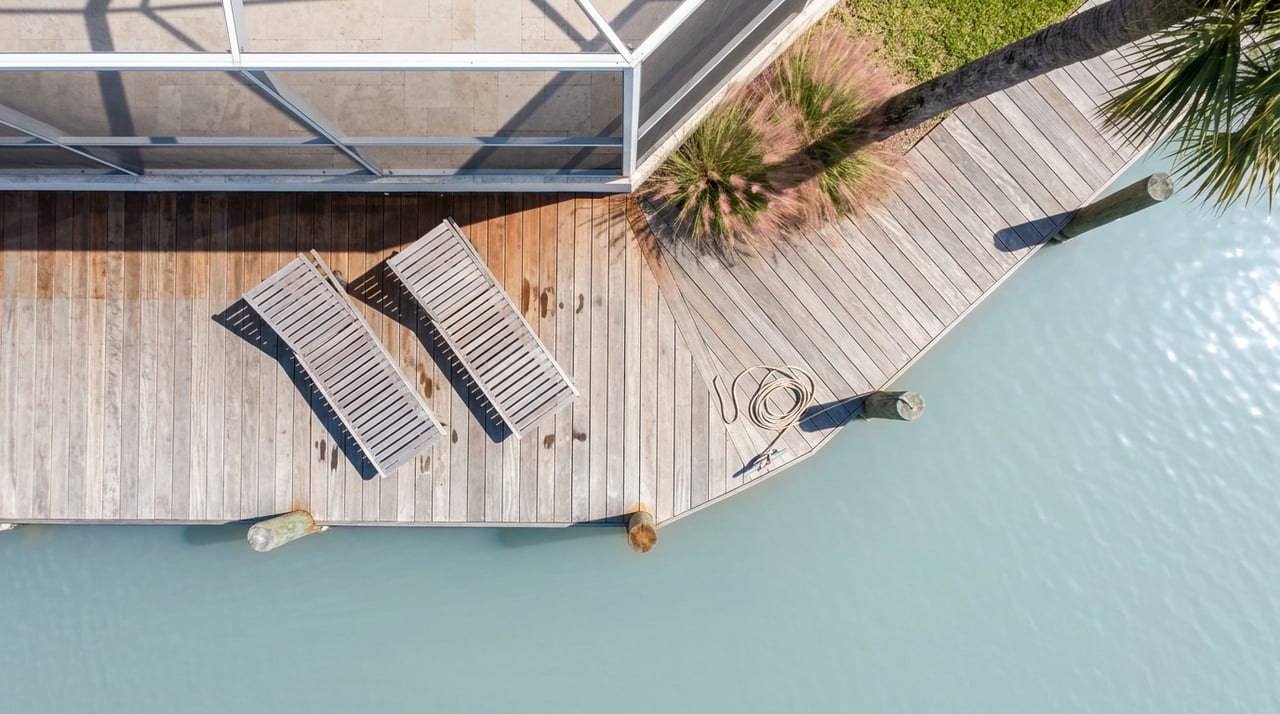
- Review satellite imagery and listing photos to confirm dock presence and layout.
- Scan listing remarks for terms like “deeded slip,” “assigned slip,” “Venetian Bay dock,” and “boat slip.”
Step 2 — Verify with the association
Ask the property manager or board for:
- A dock plan with slip numbers, lengths, beams, and which slips are deeded, assigned, or leased.
- Written policy on slip assignment, transfer on sale, and leasing to non-owners.
- Current waitlist details, typical wait times, and any priority rules.
- CC&Rs, bylaws, dock rules, and recent meeting minutes addressing docks.
Step 3 — Confirm technical details
- Depth at mean low water at the slip and along the approach channel.
- Dock type, fixed or floating, and how water level changes affect access.
- Available utilities: shore power specs, potable water, and pumpout options.
- Mooring hardware condition and maintenance schedule.
- Hurricane plan: haul-out expectations, approved yards, and required preparations.
Step 4 — Legal and insurance review
- Confirm deeded status in public records or title if applicable.
- Understand association insurance requirements for liability and hull coverage.
- Clarify whether slip rights transfer automatically with the unit or require board approval.
Step 5 — On‑water and local checks
- Visit by water if possible to inspect approach channels, bridge heights, and currents.
- Speak with nearby marina or yard operators about haul-out capacity, especially for storm season.
Step 6 — Financial clarity
- Document purchase price for deeded slips or lease rates for seasonal and annual terms.
- Confirm electrical and water metering, pumpout costs, and any dock-specific assessments.
- Review the reserve study to see if docks are included and adequately funded.
Match your boat to the right slip
Start with three measurements: length overall (LOA), beam, and draft. Then apply simple safety margins and the building’s actual specifications.
- Slip length: target LOA plus 3 to 5 feet at minimum. For easier docking, consider LOA plus 10 percent. For example, a 30-foot boat often fits best in a 33 to 40-foot slip depending on layout.
- Side clearance: aim for 1 to 2 feet per side, more for wider beams or less experienced crews.
- Depth: seek at least 2 to 3 feet more than your draft at mean low water to handle tides and silt.
Here is how typical boat types line up in Venetian Bay style environments:
Small runabouts and center consoles to 25–27 ft
- Often a good match for many Park Shore slips.
- Shallow drafts and easy maneuvering help with tighter dock layouts.
Day and express cruisers around 28–36 ft
- Look for slips in the 30–40 ft range, with appropriate shore power for air conditioning.
- Confirm beam clearance at the finger piers.
Larger cruisers and sport yachts 37–50+ ft
- Expect fewer options inside smaller bays and premium pricing for longer slips.
- Check for higher electrical loads such as 50A or 100A service and deeper water.
Sailboats
- Verify vertical clearance for masts, depth for keel, and maneuvering room.
- Floating docks with finger piers are often preferable.
Trawlers and long‑range yachts over 50 ft
- These boats are commonly better served by full-service marinas with deeper water and larger footprints.
Lifestyle and operations to plan for
Access and convenience
- How far is your building entrance to the docks? Is the route well lit and secure?
- Look for gated access and camera coverage for peace of mind.
Dock services
- Confirm shore power specs and how usage is billed.
- Ask about potable water, pumpout availability, and rules for onboard waste.
- Fuel service is rarely on-site at condo docks, so plan for nearby fueling.
Maintenance and costs
- Understand who maintains pilings, decking, and electrical systems.
- Review the HOA budget and reserves for dock repairs or replacements.
Insurance and liability
- Most associations require specific liability and hull coverage to use a slip.
- Clarify responsibility for any damage to common dock structures.
Hurricane season readiness
- Learn the building’s storm plan: haul-out requirements, canvas removal, and line setups.
- Confirm whether there is a preferred yard and how space is allocated during peak demand.
Neighbor and guest rules
- Review quiet hours, operating hours within the bay, and guest use of slips.
- If you plan to rent your unit, verify whether renters can use the slip and under what conditions.
Alternatives nearby
- Keep dry-stack storage, wet slips at commercial marinas, and haul-out yards on your radar as backups or complements to a condo slip.
A quick decision matrix
Use these criteria to compare Park Shore buildings:
- Boat fit first: LOA, beam, draft, and safe margins.
- Ownership model: deeded versus assigned versus leased.
- Seasonal needs: in-season use and waitlist realities.
- Distance to open water: route, bridges, and typical transit time.
- Operations clarity: insurance, utilities, hurricane plan, and HOA reserves.
Your next steps
If a Park Shore condo with a boat slip is on your wish list, start early, get the dock plan in writing, and match the slip to your vessel with conservative margins. Our team helps you verify slip status, review HOA rules, and coordinate the details that make waterfront living seamless. When you are ready, reach out to the Burnham Group to shortlist the right buildings and line up showings.
FAQs
Are Park Shore slips deeded to the unit or controlled by the HOA?
- It depends on the building. Some slips are deeded to units, while others are association-owned and assigned by policy. Always confirm in the documents.
How is a deeded slip reflected in county records and title?
- Deeded slips typically appear in public records and the title report, either as a separate parcel or as an appurtenant right to the unit.
What slip sizes and depths are usually available in Venetian Bay buildings?
- Inventory varies by property. Ask for the dock plan listing slip length, beam, and depth at mean low water, plus current waitlist status.
Do slip rights transfer when I buy the condo?
- In some associations, yes, but others require board approval or reassignment. Verify any transfer fees and procedures before you make an offer.
Can owners lease their slips to non-residents or for the season?
- Policies vary. Some HOAs allow seasonal or annual leasing with conditions, while others limit use to owners. Get the written policy and any lease forms.
What insurance do I need to keep a boat at a condo dock?
- Most associations require liability coverage and proof of hull insurance with specified limits and named insureds. Check the HOA rules for exact requirements.
What is the hurricane policy for boats at condo docks in Naples?
- Many HOAs require specific preparations, line plans, or haul-out at approved yards during storm threats. Ask about preferred yards and space availability.
How far is it from Park Shore slips to open water?
- Routes connect through local tidal waters to Naples Bay and the Gulf. Confirm bridge heights and depths on official charts before planning any voyage.
Are shore power and water available at the slip, and how is usage billed?
- Many docks provide shore power and potable water. Associations typically meter or assess usage by slip. Confirm amperage and billing method in writing.
How can I assess future dock costs or special assessments?
- Review the HOA reserve study and recent meeting minutes to see if docks are included and how replacements or major repairs are funded.