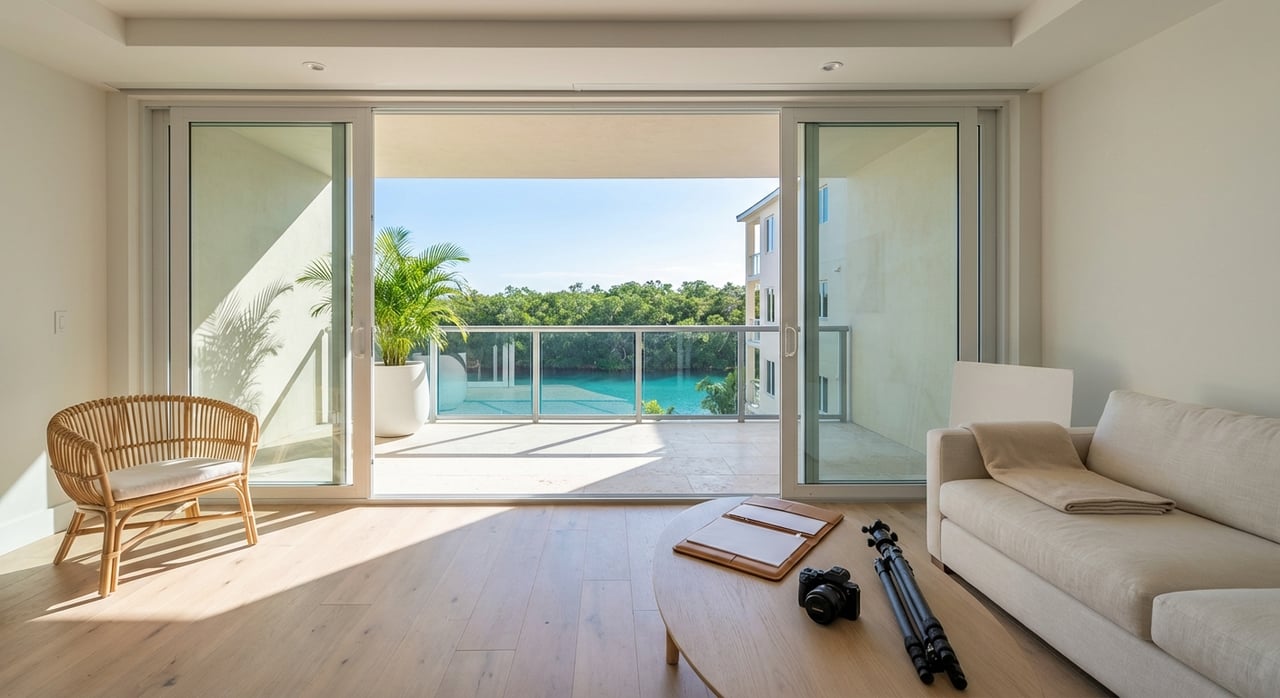
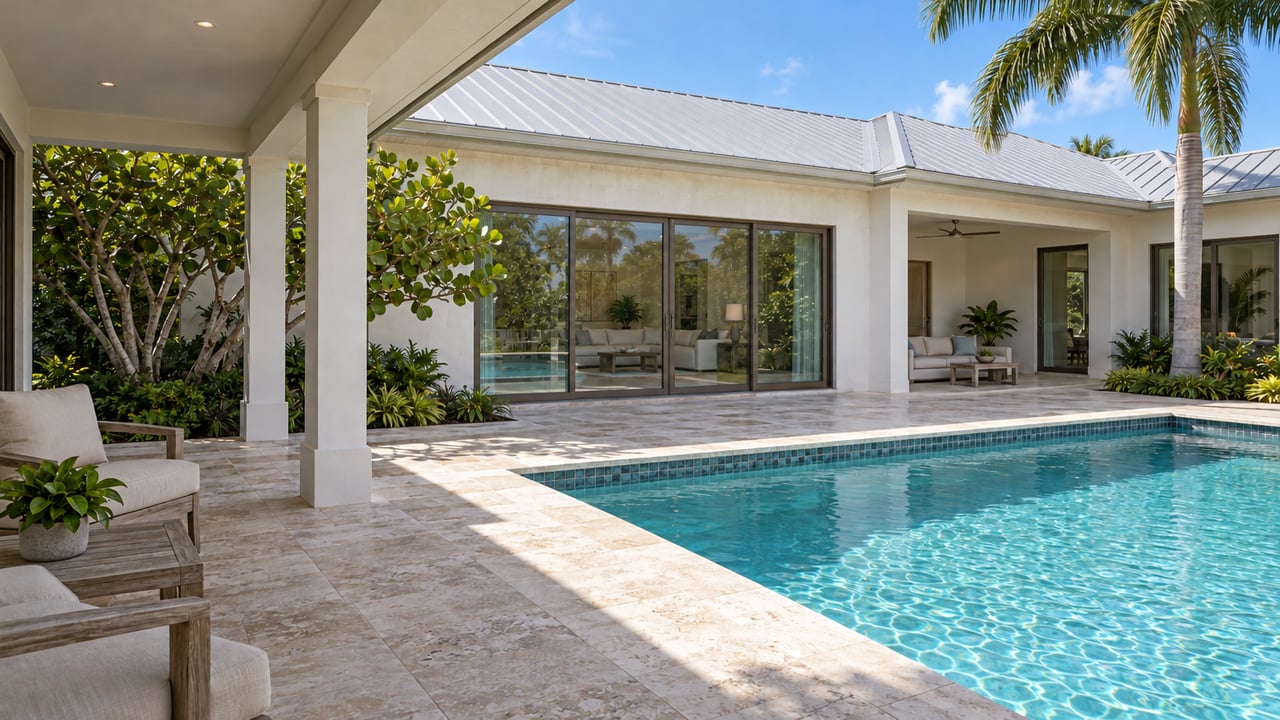
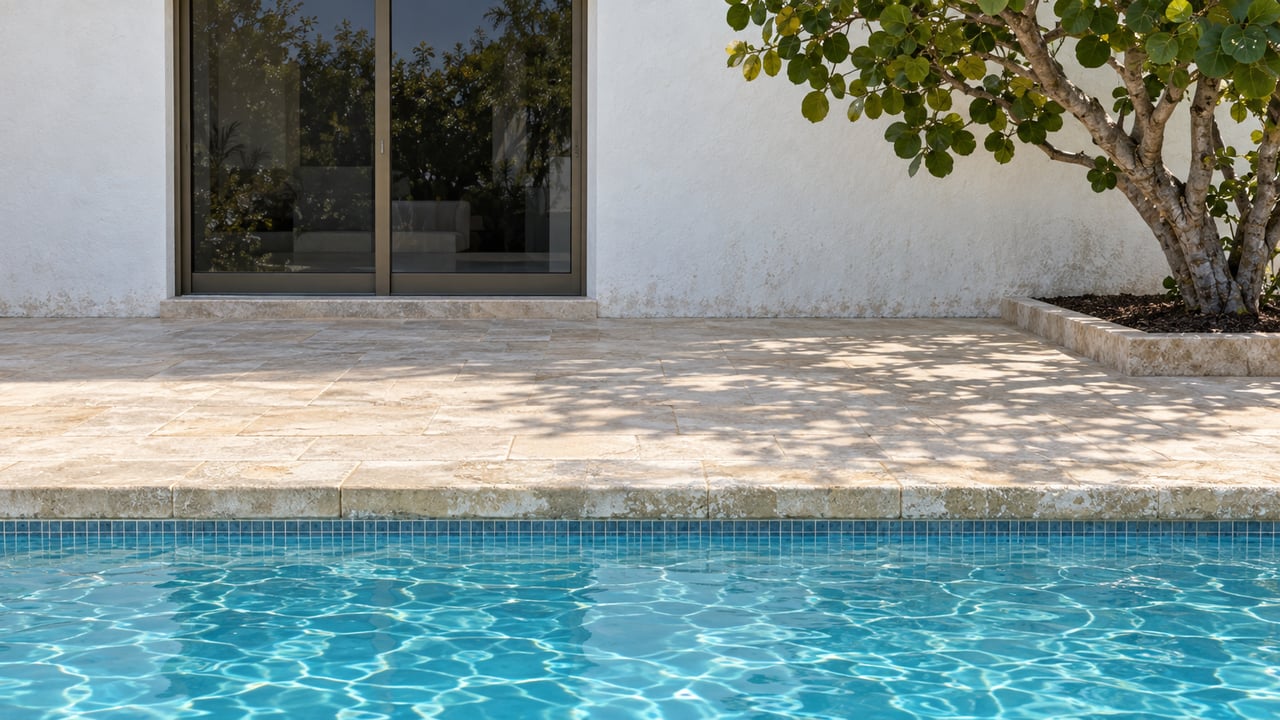
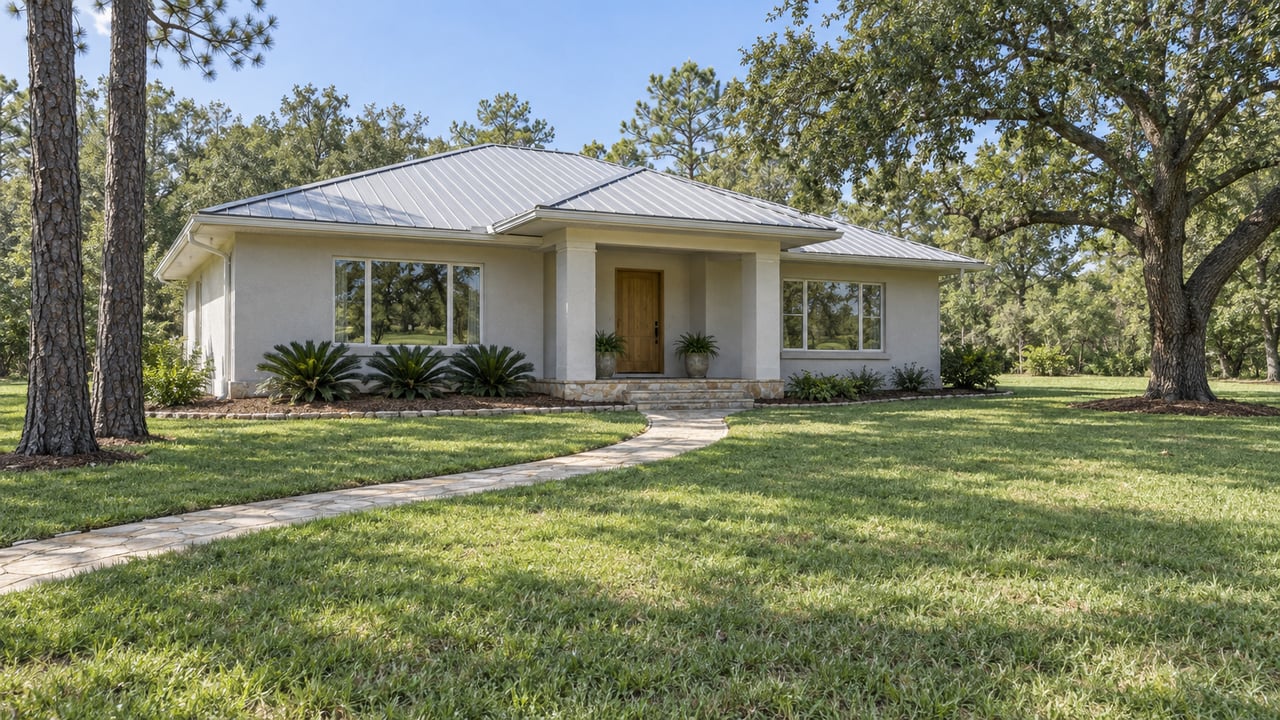
If you are selling a Park Shore bayfront condo, timing, presentation, and precision matter. Park Shore buyers come for water, views, and boating convenience, and they expect clarity on association details and building health. In this guide, you’ll get a clear timeline, pricing strategy for view and floor level, and a marketing plan that fits Naples seasonality. Let’s dive in.
Market timing in Park Shore
Naples shifted toward a more balanced market heading into 2026, with higher inventory and buyers taking more time to compare options. In Park Shore, luxury condos often have longer days on market than the county median, so pricing accuracy and standout presentation are critical.
Seasonal traffic peaks between November and April, with December through March drawing the most in-person showings from out-of-state buyers. Listing just before peak season lets you capture early interest and schedule strong launch marketing. Off-season listings still work if speed or life timing matters. The key is to adjust pricing and marketing for a smaller active buyer pool.
Your step-by-step timeline
6–8 weeks before listing: foundation work
- Order the condo association resale package and estoppel early. Florida’s condo law sets requirements for essential resale documents, so build time into your plan. See the state’s condominium statutes for context on association documents and estoppels at Chapter 718 of the Florida Statutes: Florida Statutes, Chapter 718.
- Confirm building milestone and reserves status. Florida now requires structural milestone inspections and structural integrity reserve studies for many 3-plus story buildings. Ask the association about completed or scheduled studies and any related assessments, then plan to disclose as needed. Learn more at Florida Statutes 553.899.
- Check mechanicals and elements that buyers scrutinize: A/C, water heater, windows, balcony railings, lanai screens, and any flood-sensitive items. Ask the association about seawall, dock, elevator, and roof updates.
- If flood risk applies, pull the latest map data so buyers and lenders can plan coverage. Use the FEMA Flood Map Service Center.
3–5 weeks before listing: polish and plan
- Complete light repairs, deep clean, and decluttering. Open up sightlines to the water on balconies and in main living areas.
- Hire a professional real estate photographer who knows waterfront lighting and exposures. Plan interior, exterior, balcony, amenities, and community shots, plus twilight images. Listings with professional visuals and tours attract more engagement, as reflected in national buyer and seller research. See the latest trends in the NAR generational report on buyer behavior and media use at this NAR trends snapshot.
- Consider a pre-list inspection if you want to minimize renegotiation later. In luxury condos, addressing small items early can speed up the contract phase.
1–2 weeks before listing: media week
- Finalize staging and complete your full media package: floor plan, 3D or Matterport tour, and a polished walkthrough video. Many buyers screen properties with video and virtual tours before flying in, so give them clarity up front. For adoption and engagement trends, review these real estate video statistics.
- Schedule twilight or day-to-dusk images to showcase windows, lighting, and the water’s glow. If timing is tough, high-quality virtual day-to-dusk editing is a valid alternative. Learn more about twilight presentation at this guide to day-to-dusk photography.
- Assemble your MLS packet, highlight association features and amenities, and lock in showings and broker tours to align with peak weekend traffic.
Listing launch to contract to closing
- Days on market vary by building, view, and price band. In a balanced market, expect multiple weeks to several months to secure the right buyer for a premium view unit. Staying close to building-level comps reduces the need for price cuts.
- After you accept an offer, typical inspection periods in Florida run about 7 to 15 calendar days, not business days. For a timing refresher, see this overview of Florida contract periods and weekends at LegalClarity.
- Financed deals often close in 30 to 45 days. Cash can be faster. Watch your contingency deadlines closely and keep the association and title company in sync.
Pricing strategy: view, floor, and slips
View premiums
Waterfront outlooks carry real value, but the size of the premium depends on quality and permanence of the view and competing inventory. Academic analyses show measurable uplifts for premium water views, especially unobstructed outlooks. For context on how water quality and adjacency influence value, review this waterfront premium meta-analysis.
How to apply it: use same-building, same-orientation comps to quantify view differences. In Park Shore, a direct Gulf or wide bay view often prices ahead of partial or obstructed views. Adjust within the building first, then expand to nearby buildings with similar exposure and amenities.
Floor level
Higher floors often sell for more due to better views, reduced street noise, and privacy. Appraisal commentary sometimes references a rough 1 percent per-floor effect in dense markets, but the real adjustment in Park Shore depends on the building, exposure, and terrace size. Model specific dollar adjustments using same-stack or near-stack sales.
Boat slips and dockage
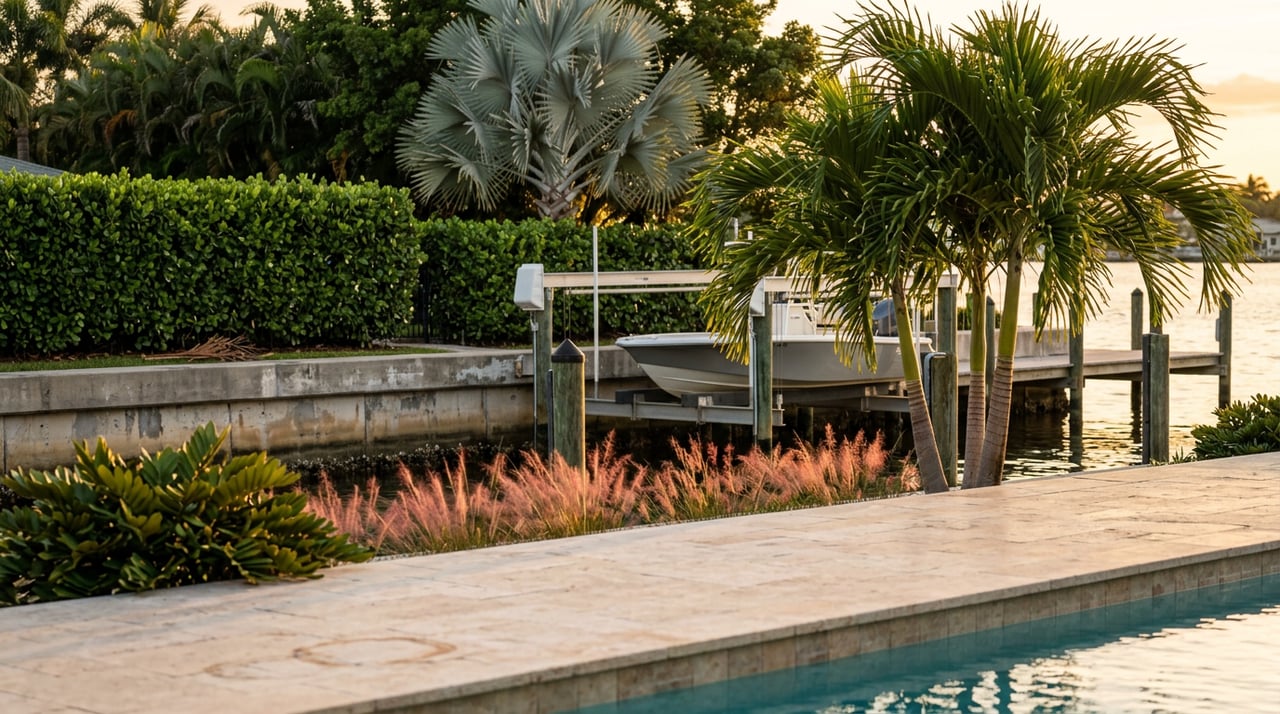
Boat slips vary by ownership and transferability. The highest value setup is a deeded, transferable slip with direct Gulf access. Association-controlled slips may have transfer limits that affect marketability. In Park Shore, slip values range from the tens of thousands into the low six figures based on length, lift, location, and access. When pricing, separate unit value from slip value if the slip can be sold or transferred independently. If a slip is not transferable, note it clearly in the listing to set expectations for boaters and investors.
Other price drivers
- Association fees, insurance coverage, and any special assessments directly impact buyer math. Florida’s structural reserve requirements can affect fees and reserves, so link your pricing to documented facts from the association. See the inspection and reserve study law at Florida Statutes 553.899.
- Flood zone and insurance expectations matter. Share current FIRM data and, if relevant, a recent premium estimate to support buyer underwriting. Start with the FEMA Flood Map Service Center.
Marketing that wins in Park Shore
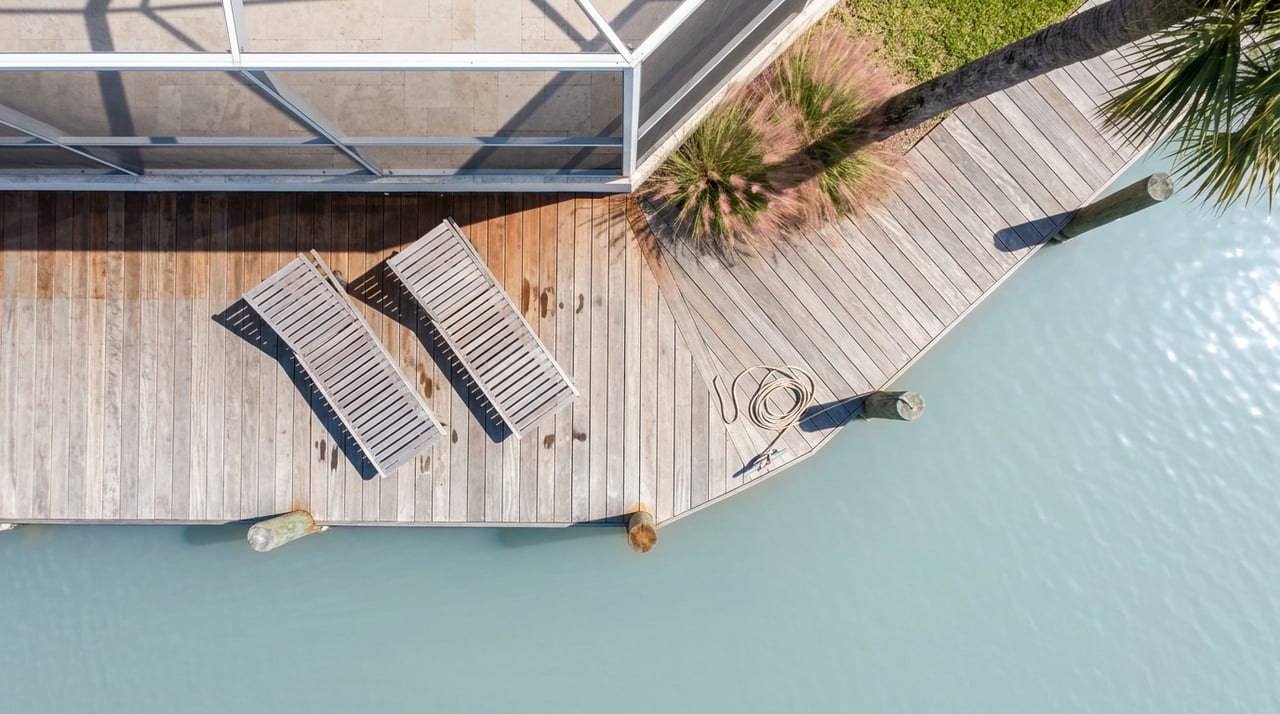
- Photography that tells the view story. Lead with balcony and main living area angles that frame the water. Add wide, bright shots of amenities, docks, and boardwalks that capture lifestyle.
- Video and 3D to pre-qualify buyers. A 60 to 120 second hero video plus a full walkthrough helps out-of-state buyers shortlist your unit with confidence. Data shows strong buyer engagement with video content, as noted in these industry video benchmarks.
- Twilight imagery for emotion. Well-executed dusk photos can boost clicks and time-on-page for waterfront listings. Explore best practices here: day-to-dusk photography tips.
- Detailed listing copy. Spell out view orientation, floor height, slip ownership and capacity, association coverage, recent building projects, and walkability to Venetian Bay and the beach.
- Distribution and follow up. Ensure MLS syndication is paired with targeted social, email to local brokers, and private tour scheduling when seasonal buyers are in town.
Drone and HOA rules
Drone footage can elevate waterfront marketing, but it must be done right. Commercial operators need a Part 107 Remote Pilot Certificate and must comply with FAA rules on registration, Remote ID, and airspace authorizations. Confirm your vendor’s credentials and insurance, and check building and HOA rules about launching from association property. Get the FAA overview here: FAA Part 107 guidance.
Showings and negotiation expectations
During season, weekend afternoons often see the most traffic. Plan open houses and private tours with that in mind, and keep a flexible showing window for out-of-town buyers.
In a balanced market, expect buyers to negotiate on price and inspection items. Unique view premiums can test the appraisal if there are few recent comps, so come prepared with a clear comp set and a written value rationale. Offering a pre-list inspection and a clean association document package can increase buyer confidence and help you protect net proceeds. For a perspective on how organization reduces friction, see this discussion on clear documentation and dispute reduction at Gerstin & Associates.
Seller checklist
- Order the association resale and estoppel package early, and confirm delivery timelines and fees per the condominium statutes. Start with Florida Statutes, Chapter 718.
- Confirm building milestone inspection and structural reserve study status. If assessments are pending, gather the documentation. Learn more at Florida Statutes 553.899.
- Pull current FEMA flood maps and consider getting an insurance estimate to share with buyers. Use the FEMA Flood Map Service Center.
- Compile service records for A/C, windows, elevator upgrades, dock or seawall work, and roof projects. Buyers value documented maintenance, and it helps appraisals.
- If you have a slip, document deed status, transfer rules, length, lift, and access. If it is separable, prepare a unit-versus-slip pricing narrative.
- Book a pro who can shoot interiors, amenities, 3D, and twilight. For buyer media preferences, review the NAR generational trends and best practices for day-to-dusk photography.
Common red flags to handle early
- Upcoming special assessments, reserve shortfalls, or missing structural reports for older mid and high-rises. See Florida’s requirements at Florida Statutes 553.899.
- Unclear slip ownership or transfer restrictions. Clarify in writing to avoid surprises during underwriting.
- Incomplete resale packages or delayed estoppels. Order early to keep your contract timeline on track, and use the framework in Chapter 718 to guide your checklist.
Ready to map your sale around the season, your building’s specifics, and your goals? If you want a tailored Park Shore pricing model, a polished media plan, and hands-on support through association documents and closing, connect with the Burnham Group. We will help you prepare with confidence and market for maximum impact.
FAQs
When is the best time to list a Park Shore bayfront condo?
- Peak buyer traffic runs November through April, with December to March strongest; listing just before the season lets you capture early attention and schedule high-impact launch marketing.
How long does it take to sell a Park Shore bayfront condo today?
- In a more balanced Naples market, expect multiple weeks to several months depending on price band, view quality, building, and marketing; pricing to precise, building-level comps helps reduce time on market.
What condo documents will buyers expect in Park Shore?
How do boat slips affect Park Shore condo value?
- Deeded, transferable slips with direct Gulf access add significant buyer value; document ownership and capacity, and separate unit value from slip value if the slip is transferable, since buyers price them independently.
Do I need drone footage for my Park Shore listing?
- Aerials help showcase water context and boating access, but use a Part 107-certified operator and follow building and HOA rules on launch sites; review FAA guidance at Commercial UAS operators.
What happens after we accept an offer on my condo?
- You will move through inspection and appraisal periods, then financing and title work; Florida inspection periods are usually 7 to 15 calendar days, and financed closings often take 30 to 45 days, with cash closing faster; see LegalClarity’s timing explainer for calendar-day rules.